
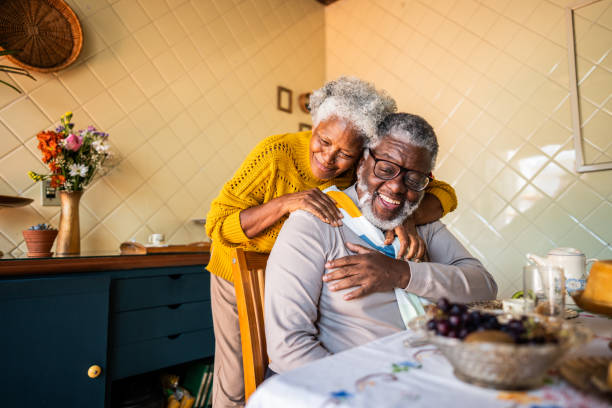
Aging brings a shift in priorities, pace, and perspective. For many older adults, the question is no longer about doing more, but about living better. Two approaches often shape this stage of life: maintaining a steady routine and allowing room for flexibility. Rather than competing ideas, routine and flexibility work best when they complement each other. Together, they support physical health, emotional stability, and a sense of purpose while preserving independence and joy.
Why Routine Matters in Senior Life
Routine provides structure, and structure offers reassurance. As people age, predictability can reduce stress and support overall well-being. Knowing what to expect each day helps seniors feel grounded and in control, especially during a time when other aspects of life may feel uncertain.
Daily routines also play a key role in physical health. Regular meal times encourage proper nutrition, consistent sleep schedules support cognitive function, and planned physical activity helps maintain mobility and balance. These habits are particularly important for managing chronic conditions, where consistent medication timing, exercise, and rest are essential.
Beyond physical benefits, routine supports mental and emotional health. Familiar patterns reduce decision fatigue and anxiety, allowing seniors to focus their energy on meaningful activities rather than constant planning. Simple rituals, such as a morning walk or an afternoon cup of tea, can provide comfort and continuity, reinforcing a sense of normalcy and self-worth.
The Emotional Stability That Comes From Predictability

Routine can also strengthen emotional resilience. For seniors who live alone or have experienced recent changes, such as retirement or loss, predictable daily rhythms help replace what has been lost with something reliable. This consistency can reduce feelings of loneliness and provide a quiet sense of companionship through habit.
Social routines are equally valuable. Scheduled phone calls, weekly gatherings, or regular hobbies create opportunities for connection. These repeated interactions foster relationships and ensure that social engagement remains a consistent part of life rather than something left to chance.
The Power of Flexibility as We Age
While routine offers stability, flexibility brings freedom. Aging does not eliminate the need for choice or spontaneity. In fact, flexibility allows seniors to adapt to changing energy levels, health needs, and interests without feeling constrained by rigid expectations.
Physical needs can vary from day to day. Some mornings may bring energy and motivation, while others require rest. Flexibility allows seniors to listen to their bodies without guilt. Adjusting plans based on how one feels promotes self-compassion and prevents burnout or injury.
Flexibility also supports emotional well-being. It leaves room for curiosity, creativity, and surprise. Trying a new activity, accepting a spontaneous invitation, or changing plans on a whim can reignite a sense of adventure that often gets overlooked in later life. These moments reinforce autonomy and remind seniors that growth and enjoyment do not have an expiration date.
Adapting to Change With Confidence
Life in later years often includes unexpected changes, from health shifts to family dynamics. Flexibility equips seniors with the mental tools to adapt without feeling overwhelmed. Rather than viewing change as disruption, a flexible mindset allows it to be seen as an adjustment.
This adaptability is particularly important for maintaining independence. Seniors who are comfortable modifying routines or exploring alternative solutions are better positioned to navigate challenges while preserving dignity and self-reliance.
Finding the Right Balance Between Routine and Flexibility
The most fulfilling senior lives are rarely built on extremes. Too much routine can feel restrictive, while too much flexibility can lead to disorganization or isolation. Balance is the key.
A strong foundation of routine provides stability, while flexibility adds color and responsiveness. For example, a senior might maintain consistent wake-up times, meals, and exercise, but remain open to changing the day’s activities based on mood, weather, or social opportunities. This balance ensures that structure supports life rather than limiting it.
Personalization is essential. What feels comforting to one person may feel confining to another. Seniors benefit from reassessing their routines regularly, adjusting them as interests and abilities evolve. This ongoing self-awareness keeps life aligned with personal values and needs.
Supporting Independence and Quality of Life
Both routine and flexibility contribute to independence in different ways. Routine supports self-management and reliability, while flexibility empowers choice and adaptability. Together, they create a lifestyle that respects both safety and freedom.
Caregivers and family members play an important role in encouraging this balance. Supporting routines while respecting personal preferences helps seniors feel valued rather than controlled. Offering choices within a structured framework reinforces confidence and mutual trust.
Living Fully at Every Stage
Senior life is not about choosing between routine and flexibility. It is about weaving them together thoughtfully. Routine offers comfort, stability, and health benefits. Flexibility provides adaptability, joy, and a continued sense of discovery. When balanced, these approaches allow older adults to live with purpose, dignity, and fulfillment.
The golden years thrive not on rigidity or chaos, but on a rhythm that adapts while remaining grounded. By embracing both routine and flexibility, seniors can shape a life that feels secure yet open, familiar yet full of possibility.
Recent Comments